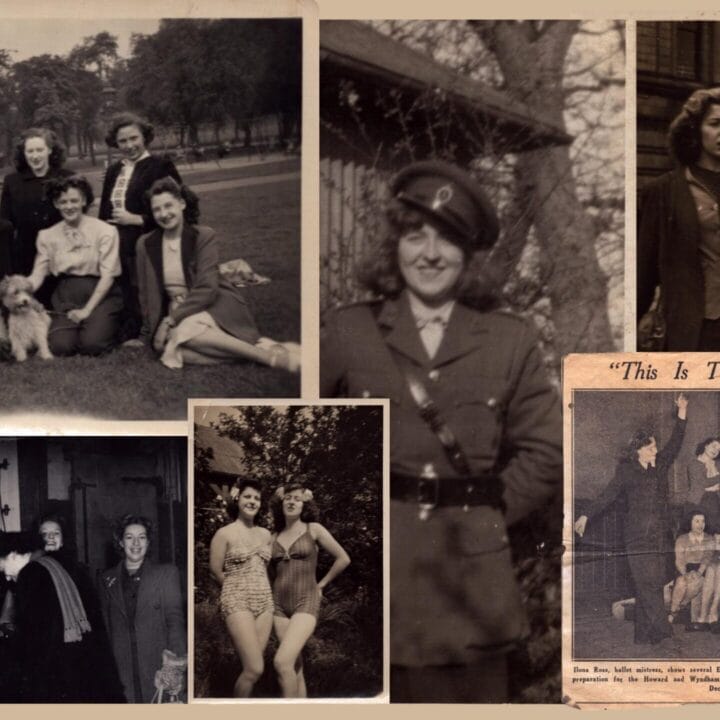
Sylvia tells the story of the suffrage movement at the end of the 19th and beginning of the 20th century, specifically through the story of the Pankhurst family, including spearhead suffragette Emmeline Pankhurst (played by Beverley Knight) and her daughters Adela, Christabel and Sylvia.
Today, all British citizens over the age of 18 share a fundamental human right: the right to vote and to have a voice in the democratic process. But this right is only the result of a hard-fought battle.
The suffrage campaigners of the 19th and early 20th century, including the suffragists and suffragettes, struggled against opposition from both parliament and the public to gradually gain the vote for the whole population.
At the end of the 19th century, there had been small, peaceful protests by a group known as the suffragists. The group was made up of mainly middle-class women and campaigned peacefully. The organisation built up supporters in Parliament, but private members’ bills to give women the vote all failed.


In the year 1903 (where the show Sylvia begins), the Women’s Social and Political Union (WSPU) was founded by Emmeline Pankhurst in Manchester. The group also consisted of middle-class women, who felt pushed to take a less peaceful approach to gaining the vote than the suffragists, including making bombs and setting fire to buildings, heckling politicians, holding marches, chaining themselves to railings, attacking policemen and smashing windows to make their voices heard. They were often sent to prison and went on hunger strike. The more violent activists, of which the Pankhurst family were central, became known as suffragettes, a term originally coined by the Daily Mail to ridicule them.
Sylvia – A Musical Revolution follows the Pankhurst family taking these actions, fighting for women’s right to vote. It’s also about how this family becomes divided by their politics. The disagreements within their family about their approach to protest and who they should be fighting for. Mother Emmeline, like the majority of suffragettes, was trying to secure the vote for middle-class women first, while daughter Sylvia strongly believed that right should be extended to all women and men at the same time (working class men did not have the right to vote at this point).
“The family divisions that happened between the Pankhursts is no different to the way in which Brexit has divided families today.”Beverley Knight, Emmeline Pankhurst in Sylvia
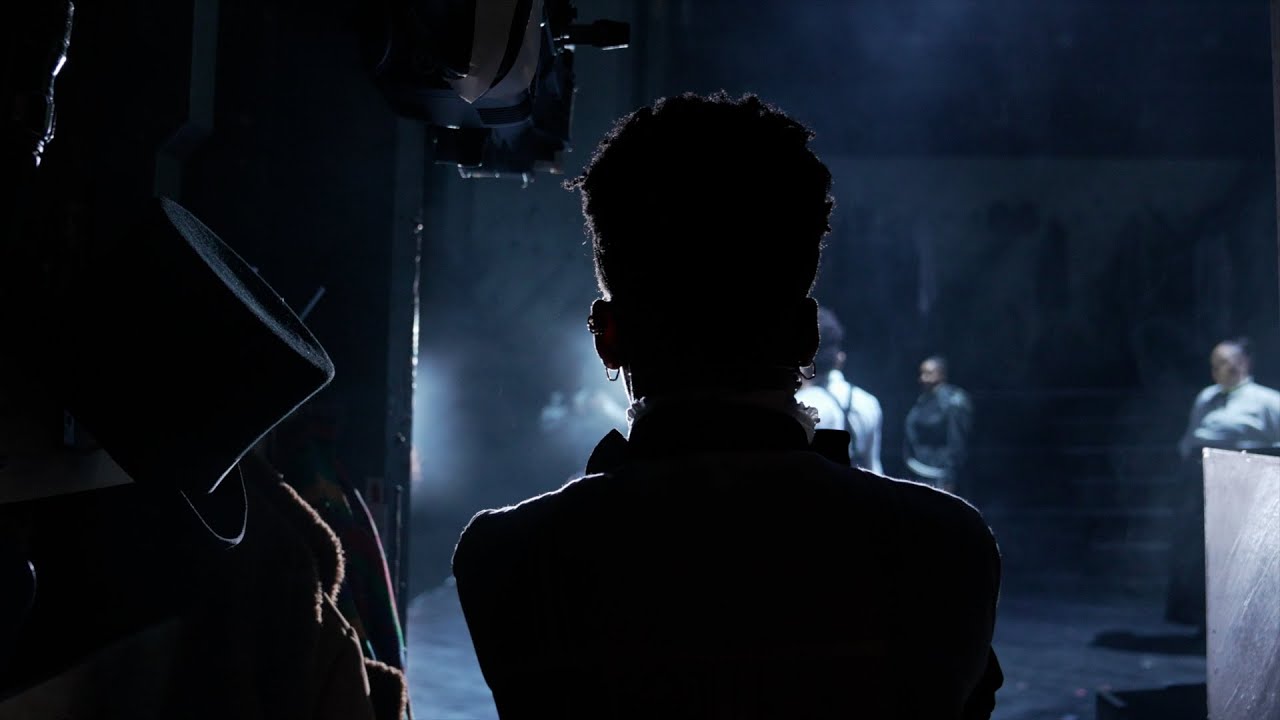
So what was happening in Edinburgh at this time in history?
In 1867, the Edinburgh National Society for Women’s Suffrage was the first women’s suffrage society to be formed in Scotland and one of the first three suffrage societies to be established in the UK. This put Edinburgh at the centre of the movement’s emergence in the country. Find out more about the key figures in Scotland’s suffrage movement.
There were also branches of the WSPU (Emmeline Pankhurst’s organisation) active in Scotland. In 1909 they organised ‘The Great Procession and Women’s Demonstration’ along Princes Street, which drew crowds 10 people deep. Emmeline Pankhurst was a keynote speaker at the event.


This march was a ‘grand historical pageant’ for which some women dressed up as historical Scottish female figures, others donned the white, violet and green colours of the WSPU and others dressed in graduate robes or their professions attire. The march was supposed to celebrate the achievements of women so far and to persuade fellow Scots that women deserved the right to vote. Women from all over Scotland and from all occupations and social classes attended.
"There is a solid phalanx of resolute and unflinching womanhood bent upon obtaining the vote and fully determined that they will triumph over every obstacle!"The Edinburgh Evening Dispatch
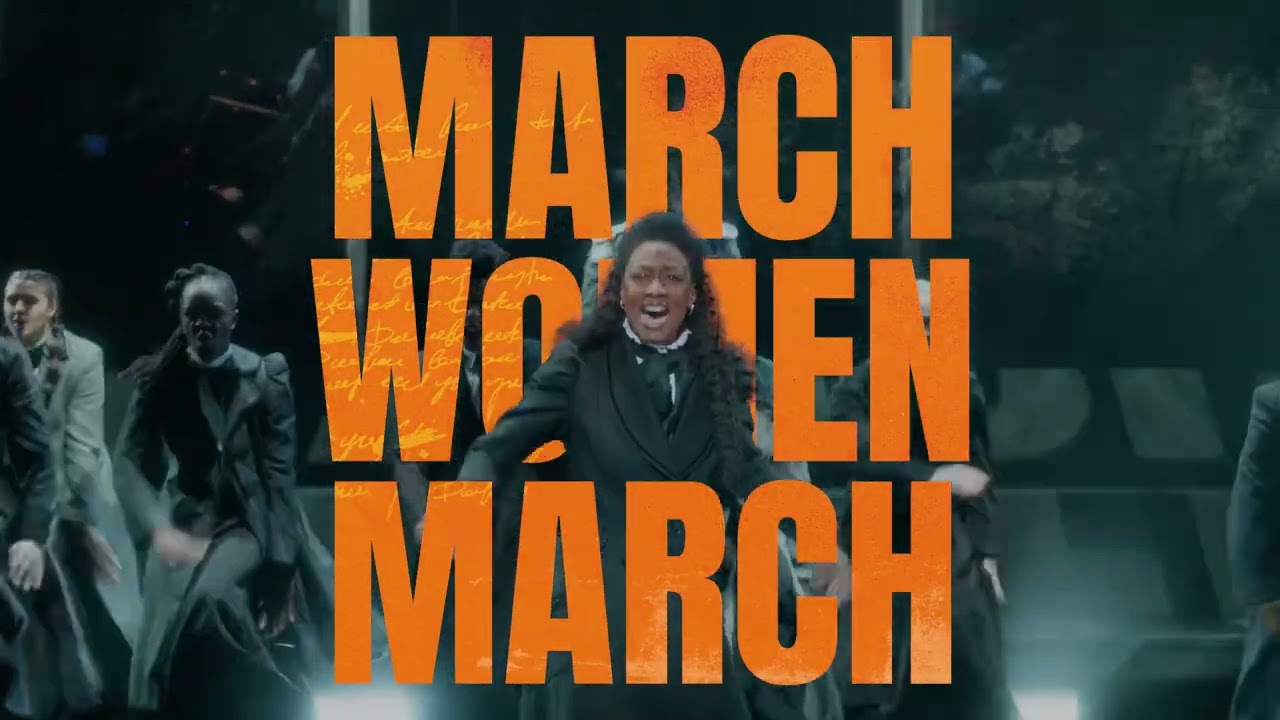
Hopes were high following this march and in Westminster it was looking likely that Prime Minister Asquith would pass the Conciliation Bill granting some women the right to vote. Unfortunately, this was backtracked and the suffragettes’ outrage was met with increasingly intense and violent confrontations with the police. As a result, Scottish suffragettes also equipped themselves with jiu jitsu skills for self-defence (which you’ll learn more about in the start of Act 2!).
"I hope Sylvia will make both women and men think twice about the importance of voting – and about what so many people sacrificed in the UK to win us that right."Kate Prince, Book, Lyrics, Director and Choreographer of Sylvia
Sylvia is an electrifying, powerful production about family relationships, freedom of speech and the right to protest and vote. If you want to see this “storm of a show” (The Guardian) brought to life, get your tickets for the Festival Theatre from 13 – 17 Oct 2026.
Want to dig deeper into the real life characters, policies and events in the Sylvia musical? Or looking for activities for the classroom? Check out the Education pack.
You might also like

Remembering Stanley Baxter, 1926 - 2025

Spotlight on... Allan Stewart's 50 amazing years in panto!