While the country was at war, theatres like the King's tried to aid military efforts with charity concerts and performances, to lift the spirits of those at home.
On the 8th of October, volunteer Ruth Bowman co-presented her research on Douglas Willcox during World War I as a part of our Heritage Talks programme.
Edinburgh in World War I
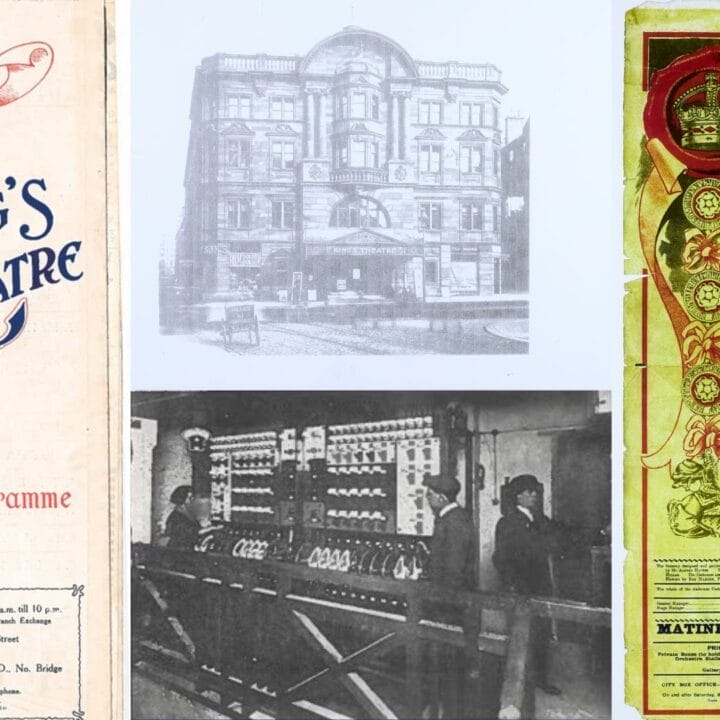
On the 28 July 1914, The Great War began in Europe. The war was said to only last until Christmas but it raged on for four long years with hundreds of thousands of Scots aiding the effort on the front. While conscription was not introduced until 1916, volunteer enlistments from Edinburgh were already outnumbering the available quarters, uniforms, and supplies. With men of all ages going to war, women from different classes were ushered into new working territory. Bethia Cassie, a cleaner in 1917, who was promoted to be a lighting technician during the war. Unlike many women who returned to domesticity at the end of the war, Bethia stayed in post as a respected member of staff for many years to come. In the archive is a collection of materials that sheds light on what working and performing at The King’s would have been like during this tumultuous time.
Headliners at the King’s, 1914-1918
During the war, variety acts were popular in theatres across the UK, but more female performers were welcome to the stage to make up for those who enlisted. Additionally, soldiers who returned home or were stationed at training camps across Scotland were known to perform war songs and folk tunes from their homes. Sir Harry Lauder performed at The King’s in 1915, and his son who was enlisted was known to perform abroad to lift the spirits of soldiers away from home. Sadly, he died during the war, but Sir Harry Lauder continued to perform in support of Scottish troops.
Top acts at The King's
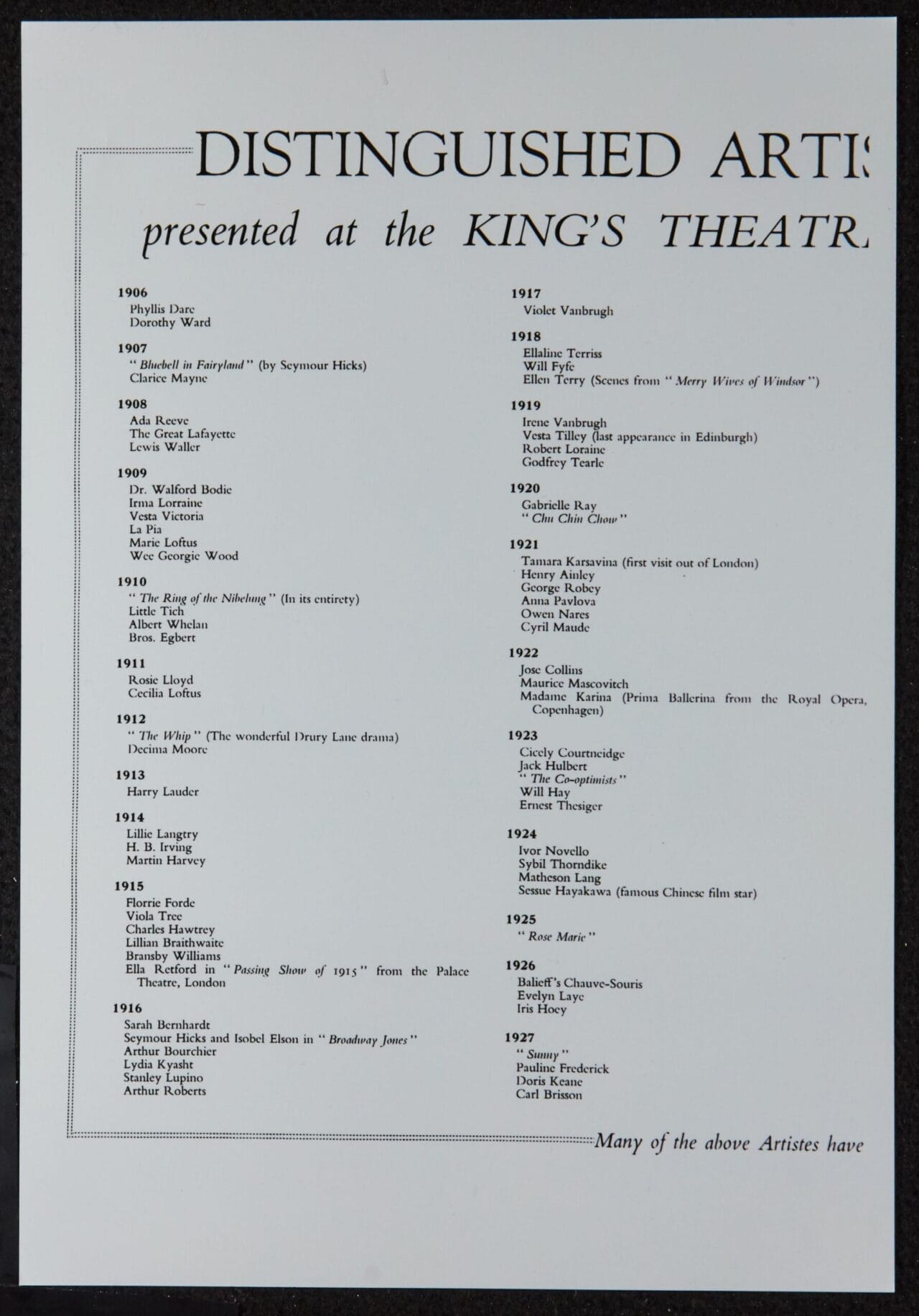
Headline Acts 1914-1918
Charity performances
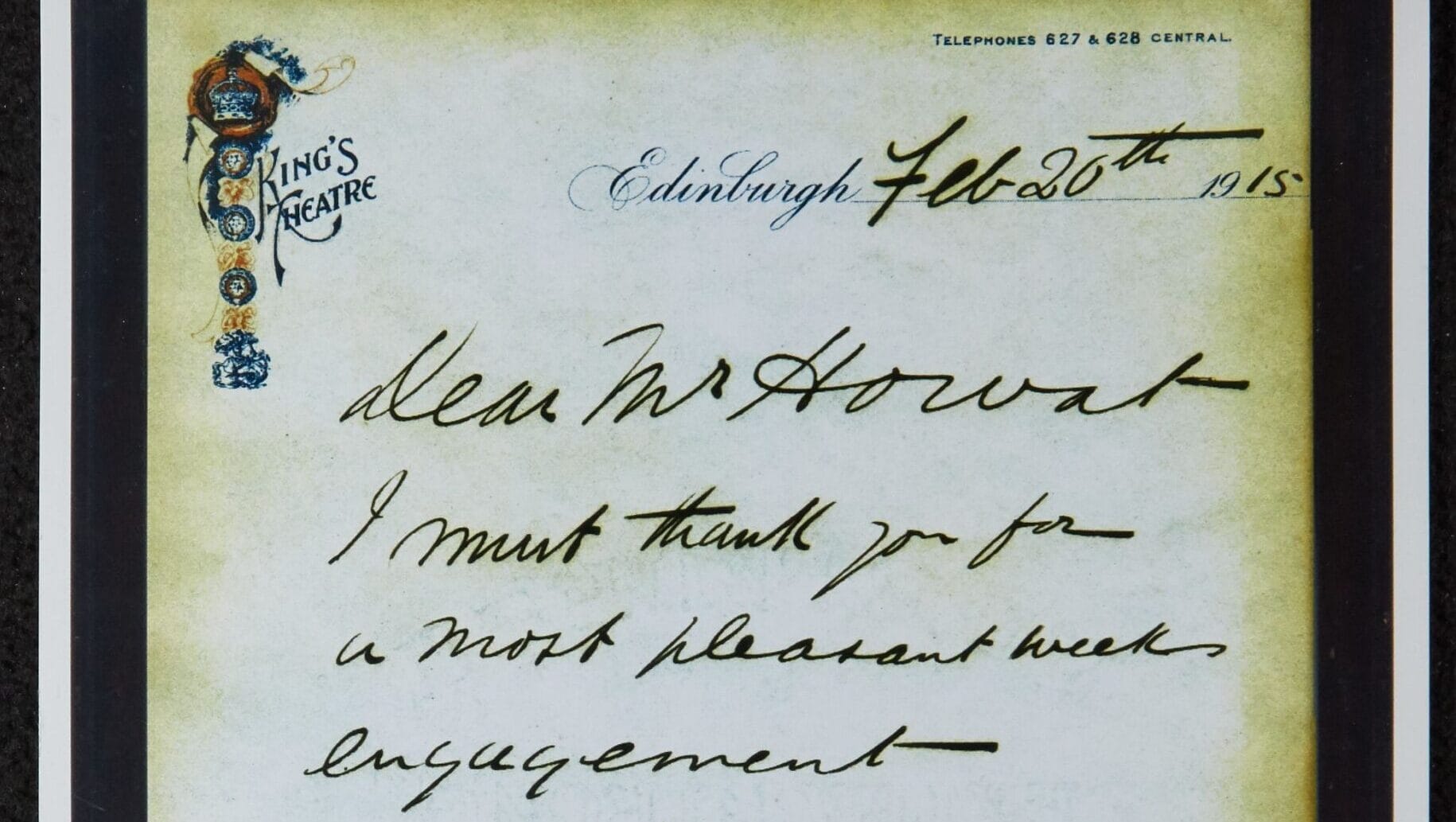
During World War I, we have records from one member of staff, Mr. Douglas Willcox, Musical Director at The King’s. He had tried to enlist on two occasions but was turned away on health grounds. However, at the helm of The King’s orchestra, Douglas was heavily involved in charity concerts and performances, even staging a sing-a-long with children of prisoners of war. In his own words:
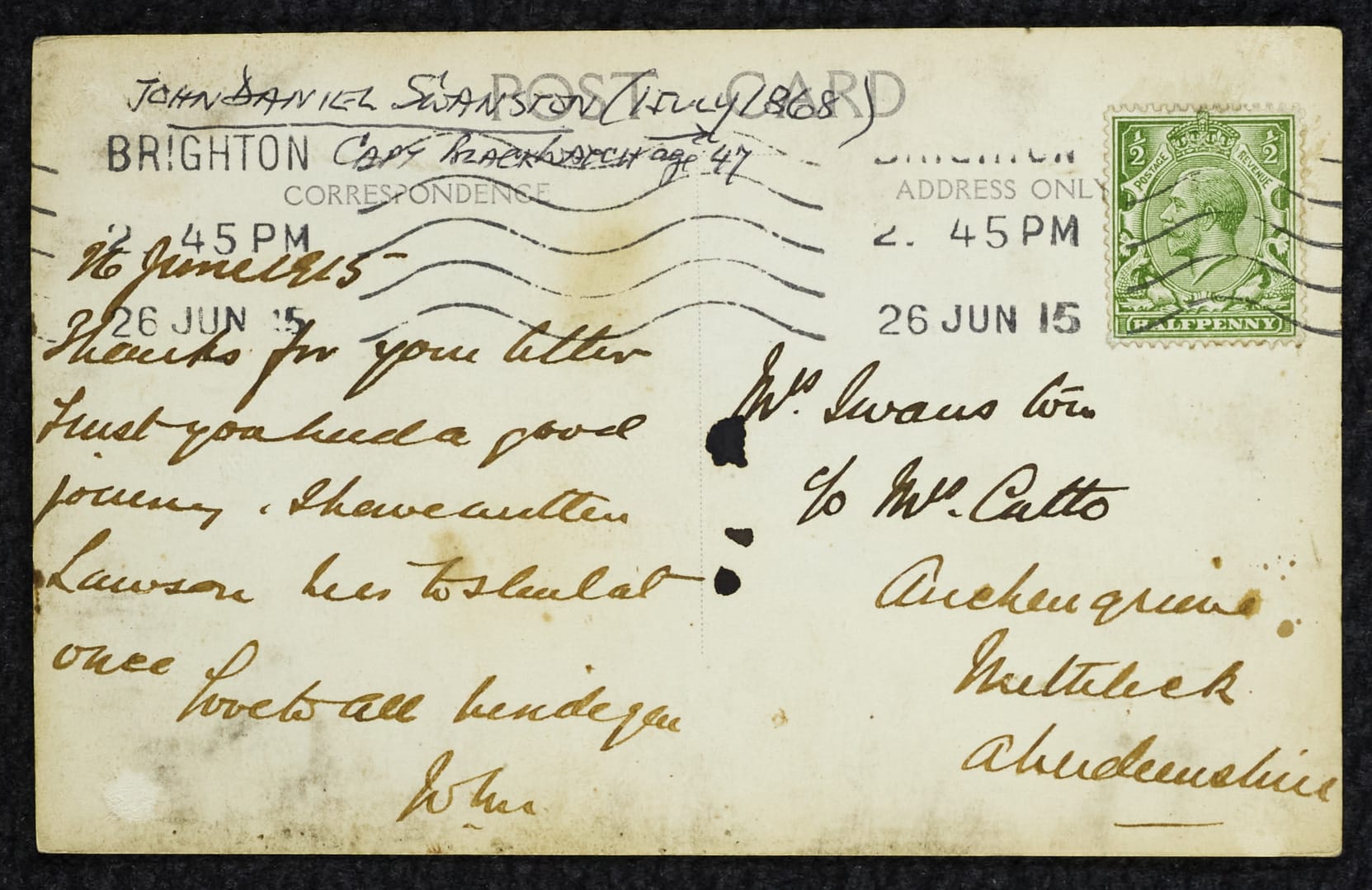
''Concerts were given at various places, Craigleith Hospital, Flora Stevenson School, which had been transformed into a hospital, Victoria Hospital, Rosyth, and elsewhere...with some of these soldiers I became a fast friend, and they used to write to me from France and even send me souvenirs''Mr. Douglas Willcox, Musical Director 1936
Heritage Talk: The King's in Wartime
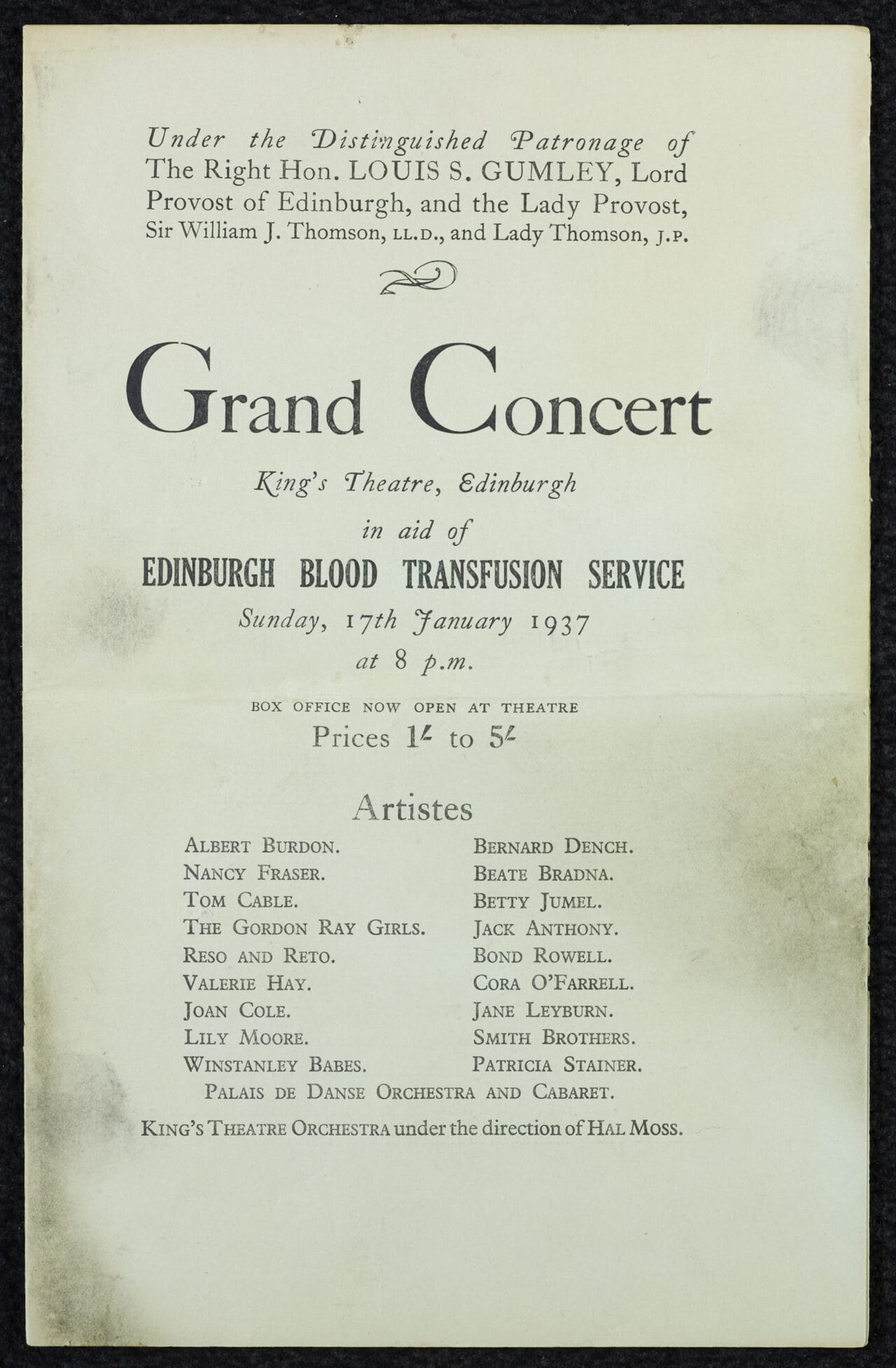


Heritage Talk: The King’s in wartime
On the 8th of October, we hosted a Heritage Talk featuring the research of The People’s Archive volunteer Ruth Bowman. Ruth has dedicated her time to genealogical research of people who worked at The King’s Theatre from 1906-1946. She uncovered the story of Douglas Willcox, Musical Director at the theatre for over 25 years. Douglas spearheaded charity concerts which aided the war effort and benefited the community back home during World War I. Having attempted to enlist on two separate occasions, we can infer that he was willing to do whatever he could in his professional capacity to support the war effort. He worked with great artists like Ellen Terry, Sir Thomas Beecham, Sir Harry Lauder, Arthur Bourchier, Wilkie Baird, and Paul Cinqueville. Douglas was a friend of Sir Harry Lauder who launched his famous Million Pound Fund at The King’s. Sir Harry Lauder was so impressed by Douglas that he had asked him to be Musical Director for his world tour in Australia. However, with a young family and career in Edinburgh, he opted to stay at The King’s.
In his reminiscences, published posthumously, Douglas remembered that with young men enlisting, older men and women got involved in theatre roles including the orchestra. Ruth Bowman shared his memories working with a range of community members in charity performances in and out of The King’s including:
- Concert in Princes Street Gardens for £100,000 to aid the Scottish Red Cross Society (1917)
- Opening of the first garden settlement in Longniddry to house disabled soldiers and sailors in the Royal Scots’ area by the Scottish Veterans Garden City Association (1917)
Douglas Willcox was well respected and well regarded by all who worked and performed alongside him. At the end of the Heritage Talk, Ruth concluded with a quote from his reminiscences about the war:
Douglas became a friends with soldiers who performed at The King's. When they moved to the front in France, they would send back souvenirs. One of his most prized possessions was sent to him by a Royal Artillery Officer who risked his life to crawl out to a German plane, brought down in No Man's Land, to collect parts of the engine and propeller. Under the cover of darkness, he fashioned a baton and ornamented it with melted down parts of the engine. To the day he died, Douglas cherished this giftRuth Bowman, The People's Archive Volunteer
Stay tuned to learn more about Ruth’s research to date, please visit our volunteer page.
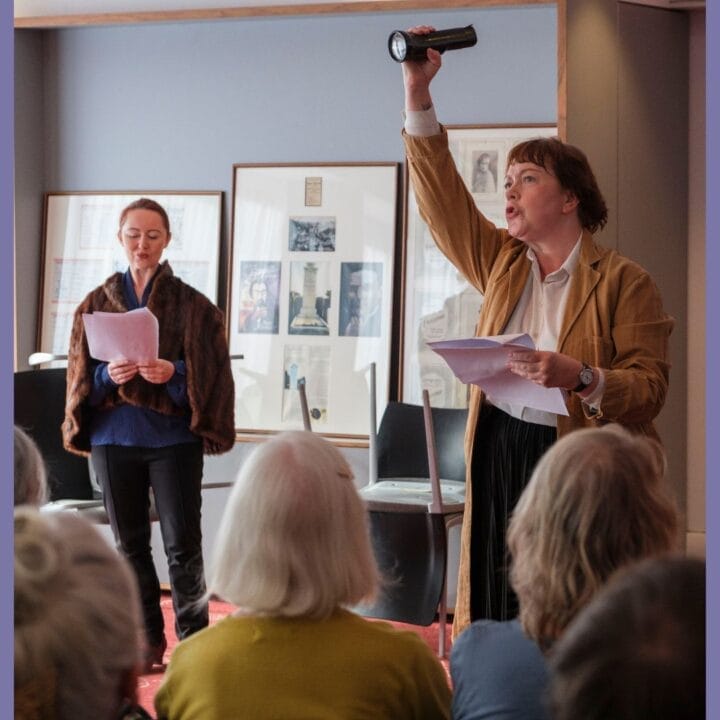
Ruth Bowman speaking at the Heritage Talk